Classic Crab Balls: A Timeless Delicacy that Brings the Ocean to Your Plate
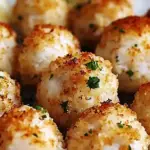
Seafood dishes often have an irresistible charm. They transport you to the beach with every bite, bringing the taste of the ocean to your plate. Among the many ways to prepare seafood, one dish stands out for its simplicity, elegance, and universal appeal: the classic crab ball. A dish that’s both comforting and luxurious, crab balls are a wonderful balance of crispy texture on the outside, with a tender and flavorful filling on the inside.
- Prep Time: 15 minutes
- Cook Time: 15 minutes
- Total Time: 30 minutes
- Yield: 24 crab balls 1x
- Category: Appetizer, Snack, Seafood
- Method: Frying
- Cuisine: American
- Diet: Gluten Free
Ingredients
Scale
- 1 lb lump crab meat: The quality of the crab is paramount in this dish. Lump crab meat is the best option because it’s tender and sweet, with large chunks that create the perfect texture for crab balls. You can find lump crab meat in most grocery stores, but it’s important to pick through it to remove any shells. If you prefer, you can also use claw crab meat for a slightly more affordable option, though lump crab meat will give you the best flavor and texture.
- 1/4 cup breadcrumbs: Breadcrumbs serve as the binder for the crab mixture, adding a light texture to the balls. Panko breadcrumbs are a great choice for an extra-crispy exterior, but regular breadcrumbs work just fine if that’s what you have on hand. The breadcrumbs help to hold everything together without making the crab mixture too dense.
- 1 egg, beaten: The egg is another important binder in the recipe. It helps to bring everything together while adding a richness to the mixture. The beaten egg ensures that the ingredients hold together well during frying.
- 2 tablespoons mayonnaise: Mayonnaise adds a rich creaminess to the crab mixture, balancing the lightness of the crab and breadcrumbs. It also contributes a subtle flavor that enhances the overall dish without overpowering the delicate crab.
- 1 teaspoon Dijon mustard: The tanginess of Dijon mustard adds a bit of zest and brightness to the mixture. It complements the sweetness of the crab and the savory spices, bringing everything together with its sharp yet smooth flavor.
- 1 teaspoon Worcestershire sauce: Worcestershire sauce is a classic ingredient in many seafood dishes, adding depth and complexity to the flavor. It imparts a slightly tangy and savory note to the crab balls, enhancing the overall flavor profile.
- 1/4 teaspoon salt: Salt is essential to bring out the natural flavors of the crab and balance the seasoning.
- 1/4 teaspoon black pepper: Black pepper adds a subtle heat to the dish without overpowering the other ingredients. It provides a gentle kick that enhances the crab balls’ savory flavor.
- 1 tablespoon chopped fresh parsley: Fresh parsley adds a burst of color and freshness to the mixture. It also adds a mild herbal note that enhances the crab’s sweetness and complements the other seasonings.
- 1 teaspoon Old Bay seasoning: Old Bay seasoning is a classic addition to any crab dish. This spice blend delivers a subtle warmth and a savory, slightly spicy undertone that perfectly complements the crab. It’s a key ingredient that gives the crab balls their distinctive flavor.
- Vegetable oil: For frying the crab balls, vegetable oil works best. It has a neutral flavor and a high smoke point, making it ideal for frying at medium heat.
- Fresh lemon wedges: Fresh lemon wedges are a must when serving crab balls. The bright acidity of the lemon cuts through the richness of the crab balls and adds a refreshing, zesty finish to every bite.
Instructions
- Prepare the Crab Mixture: Start by placing the lump crab meat and breadcrumbs into a large mixing bowl. Be gentle as you handle the crab meat to avoid breaking up the delicate chunks. The goal is to keep the crab meat intact, so it retains its sweet and tender texture in the finished crab balls.
- Add the Seasonings: Add the beaten egg, mayonnaise, Dijon mustard, Worcestershire sauce, salt, black pepper, chopped parsley, and Old Bay seasoning to the crab mixture. Gently stir everything together, ensuring that the ingredients are evenly distributed. Be careful not to overmix, as you want to preserve the texture of the crab.
- Shape the Crab Balls: Use your hands or a small scoop to shape the crab mixture into small balls, about the size of a walnut. This size ensures that the balls cook evenly and get plenty of crispy surface area.
- Heat the Oil: In a large frying pan, heat vegetable oil over medium heat. The oil should be deep enough to coat the bottom of the pan by about 1/4 inch. To test if the oil is hot enough, drop a small piece of the crab mixture into the pan. If it sizzles immediately, the oil is ready.
- Fry the Crab Balls: Carefully add the crab balls to the hot oil, working in batches to avoid overcrowding the pan. Fry each batch for 4-5 minutes per side, or until the crab balls are golden brown and crispy. The exterior should have a nice crunch, while the inside remains tender and moist.
- Drain and Serve: Once the crab balls are cooked, transfer them to a plate lined with paper towels to drain any excess oil. Let them rest for a few minutes before serving. Garnish with fresh lemon wedges for a burst of citrus. Serve with tartar sauce, cocktail sauce, or a tangy aioli for dipping.
Notes
- Choosing the Right Crab Meat: The quality of the crab meat you use is crucial. Fresh lump crab meat is the best option for crab balls, but if fresh crab is unavailable, you can opt for good-quality canned crab meat. Just make sure to drain it well and check for any bits of shell before using it.
- Don’t Overmix: When combining the ingredients, avoid overmixing the crab meat. The goal is to gently fold the ingredients together so the crab remains in large chunks. Overmixing can make the balls dense and less flavorful.
- Chill the Mixture: If you have time, refrigerate the crab mixture for 15-20 minutes before shaping the balls. Chilling the mixture helps it firm up, making it easier to shape the balls without them falling apart.
- Fry in Batches: Avoid overcrowding the pan while frying. Frying the crab balls in batches ensures they cook evenly and get that perfect crispy exterior. Overcrowding the pan can lower the oil temperature, resulting in soggy crab balls.
- Oil Temperature: Make sure the oil is hot enough before frying the crab balls. If the oil is too cool, the balls will absorb too much oil and become greasy. If the oil is too hot, the crab balls may burn before they’re cooked through. A moderate heat will ensure a golden, crispy exterior and a perfectly cooked interior.
- Serving Suggestions: Serve crab balls as an appetizer with your favorite dipping sauces, such as tartar sauce, cocktail sauce, or a spicy aioli. You can also pair them with a light salad or serve them over rice or pasta for a more substantial meal.